No, we’re not tired: what “rotates” is the television!
Watching TV in the best conditions, with the screen perfectly oriented towards your observation point, is definitely the best way to enjoy your moments of relaxation, not to mention when you want to have fun with your favorite video game!
Sometimes, however, between the sofa, dining table and kitchenette, it’s not easy to orient the TV at an angle that works for everyone, and it wouldn’t be bad at all to be able to rotate and orient it as and when you want.
Is there a solution? No, there are three!
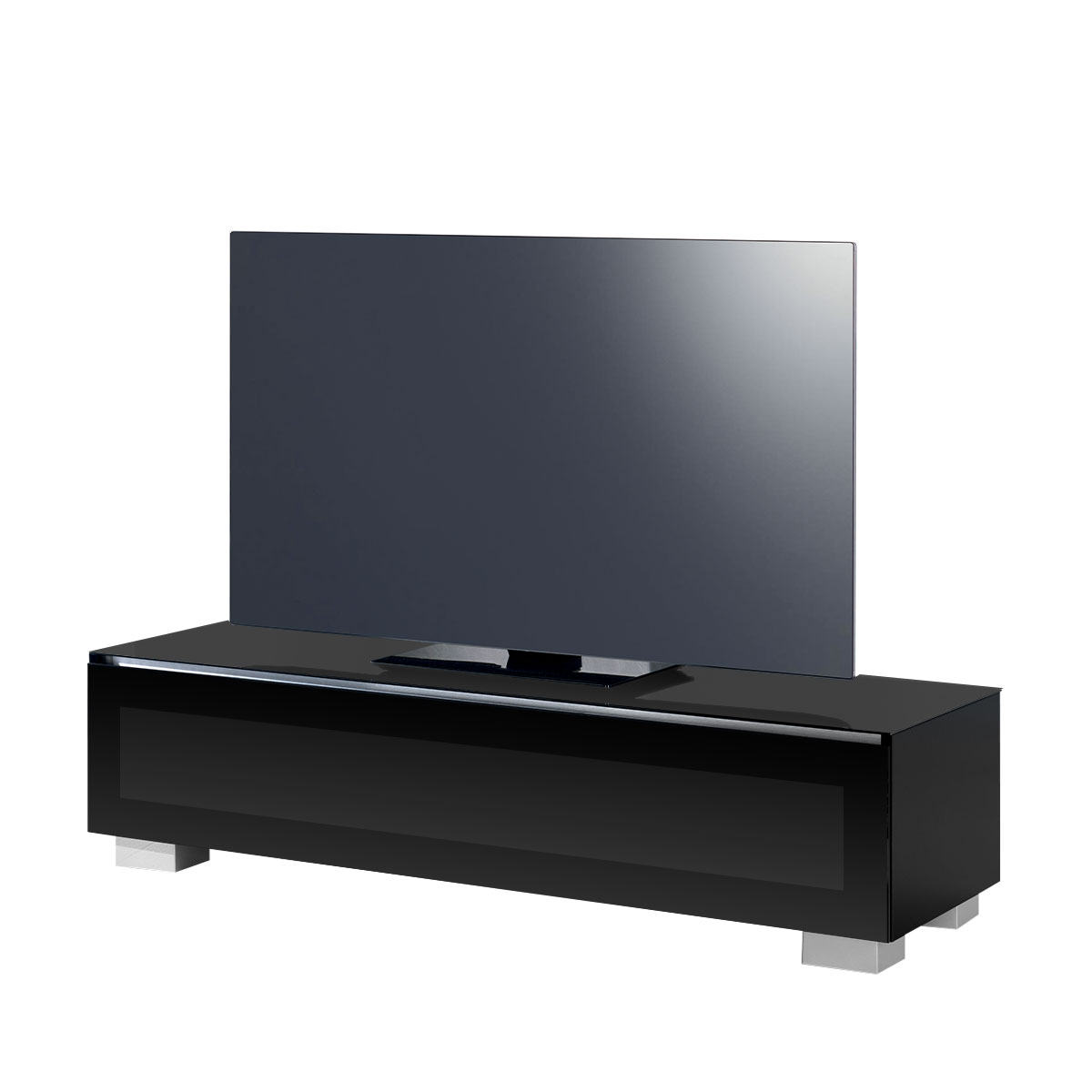
First of all, you can choose a TV stand mounted on wheels (the good ones, which don’t make noise and don’t ruin the floor…), which you can rotate as you like. There are various types of TV stands, and you can surely find the one that best matches your decor.
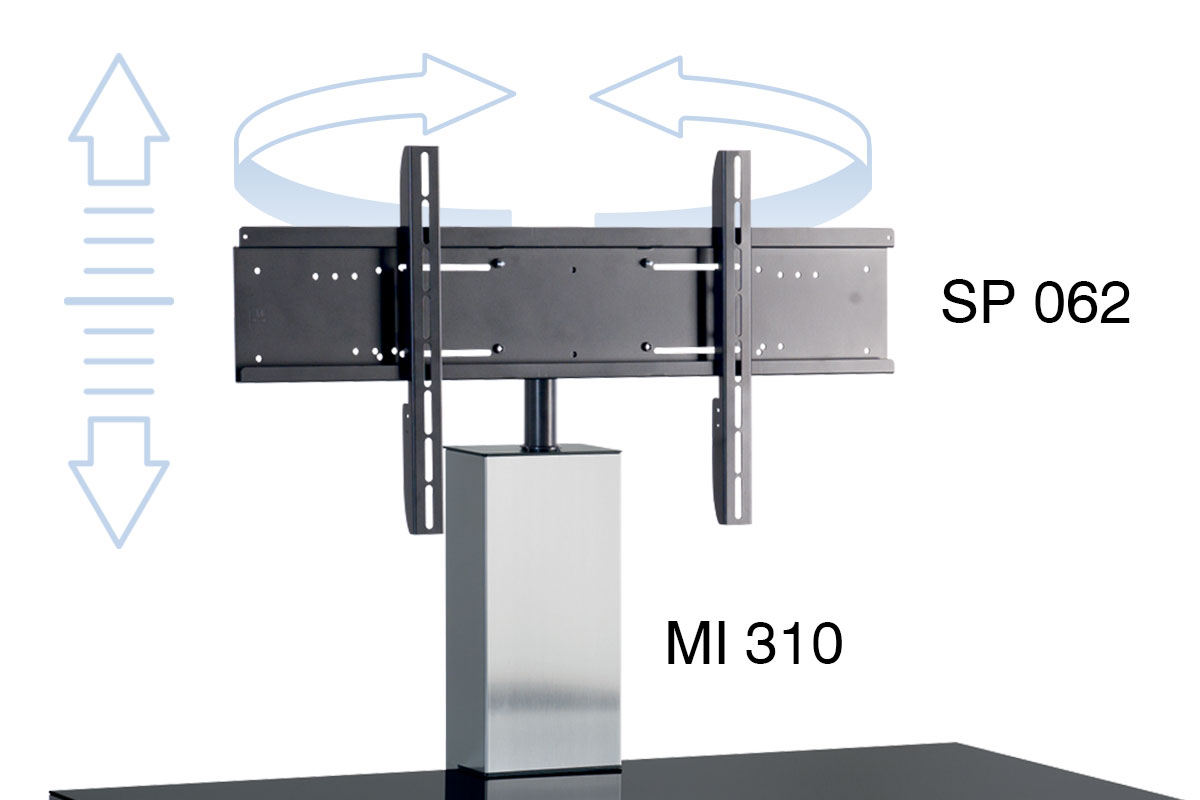
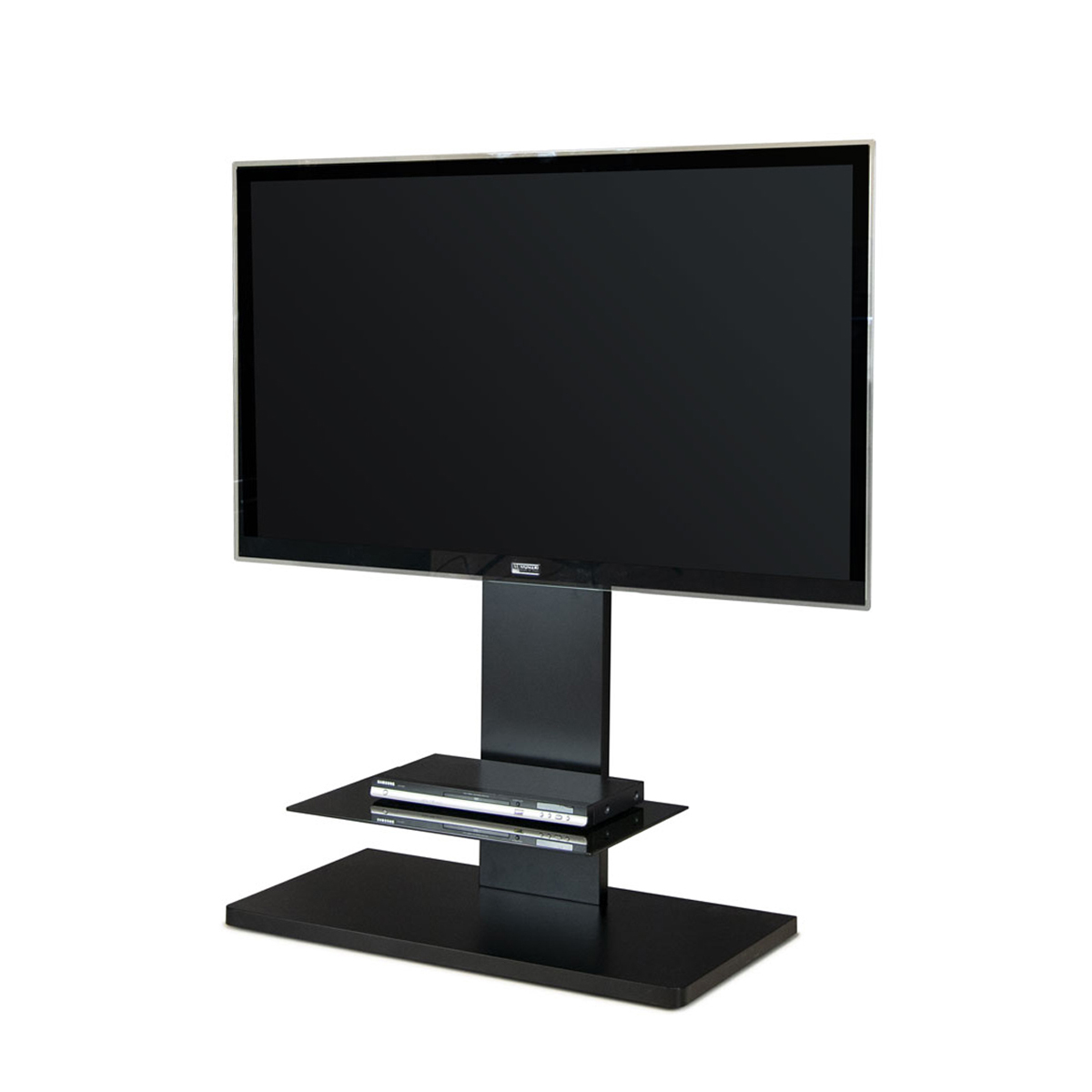
If you prefer to leave it fixed, you can apply an adjustable column to the TV stand: by doing so, you can orient the TV at the angle you prefer without moving the cabinet, and in addition the television will be permanently fixed to the column, therefore to the cabinet itself (and if you have children you certainly know how important this is).
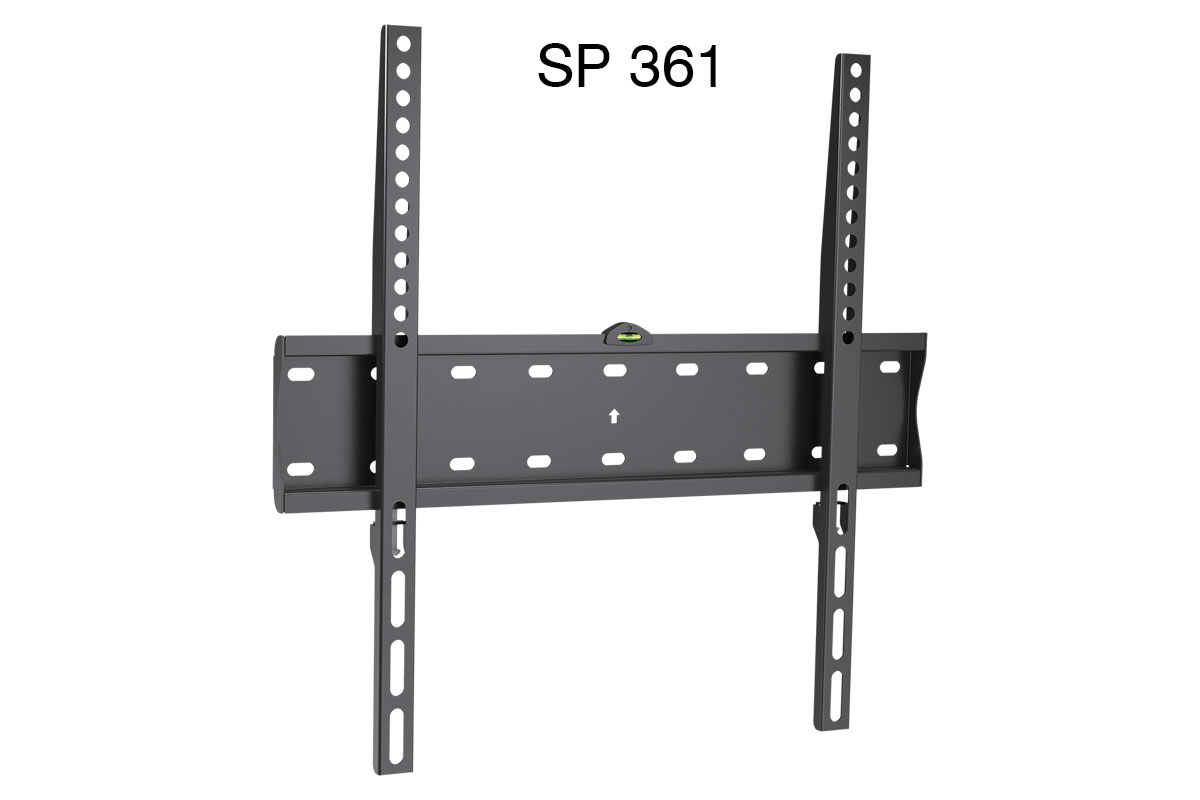
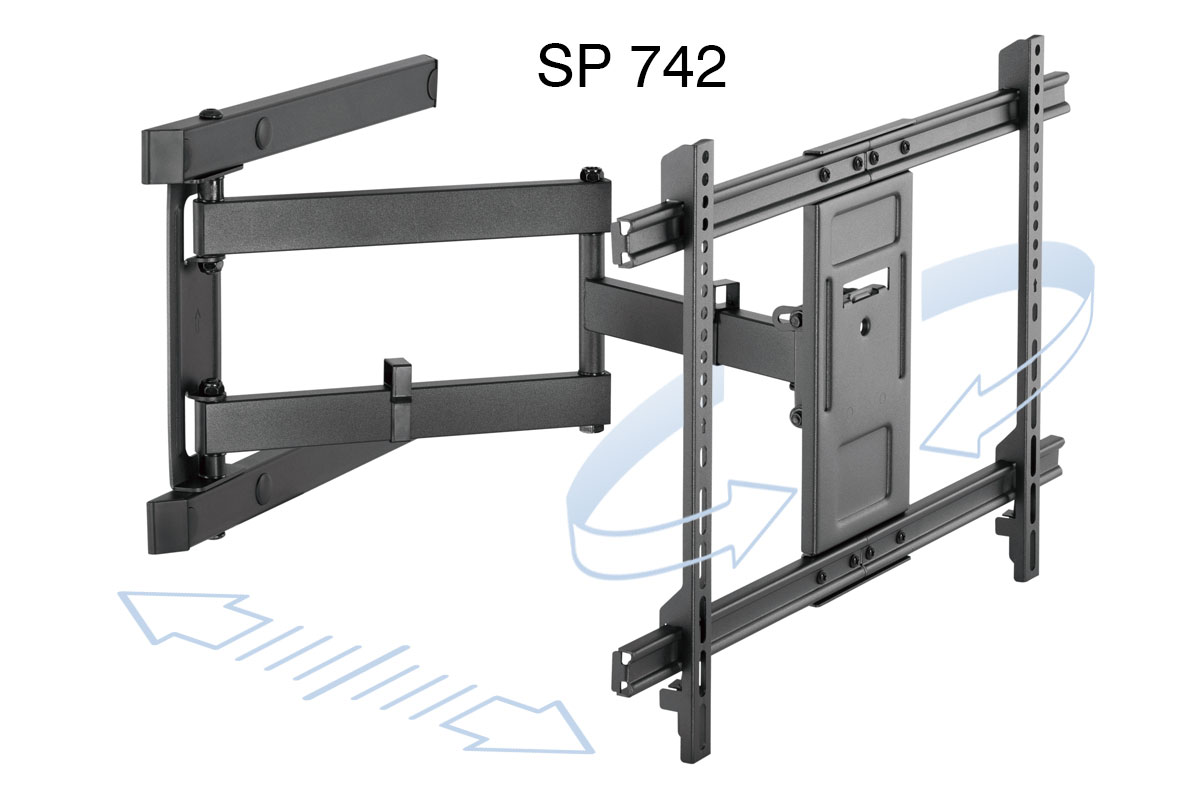
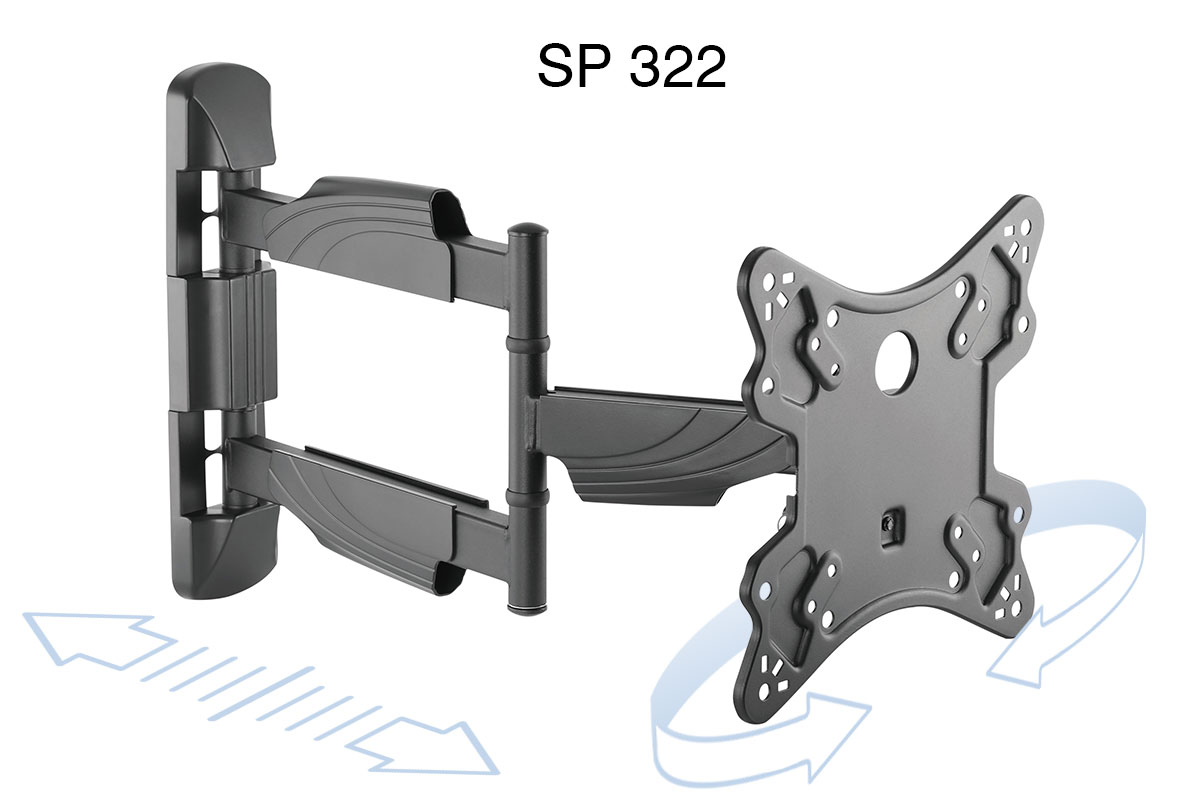
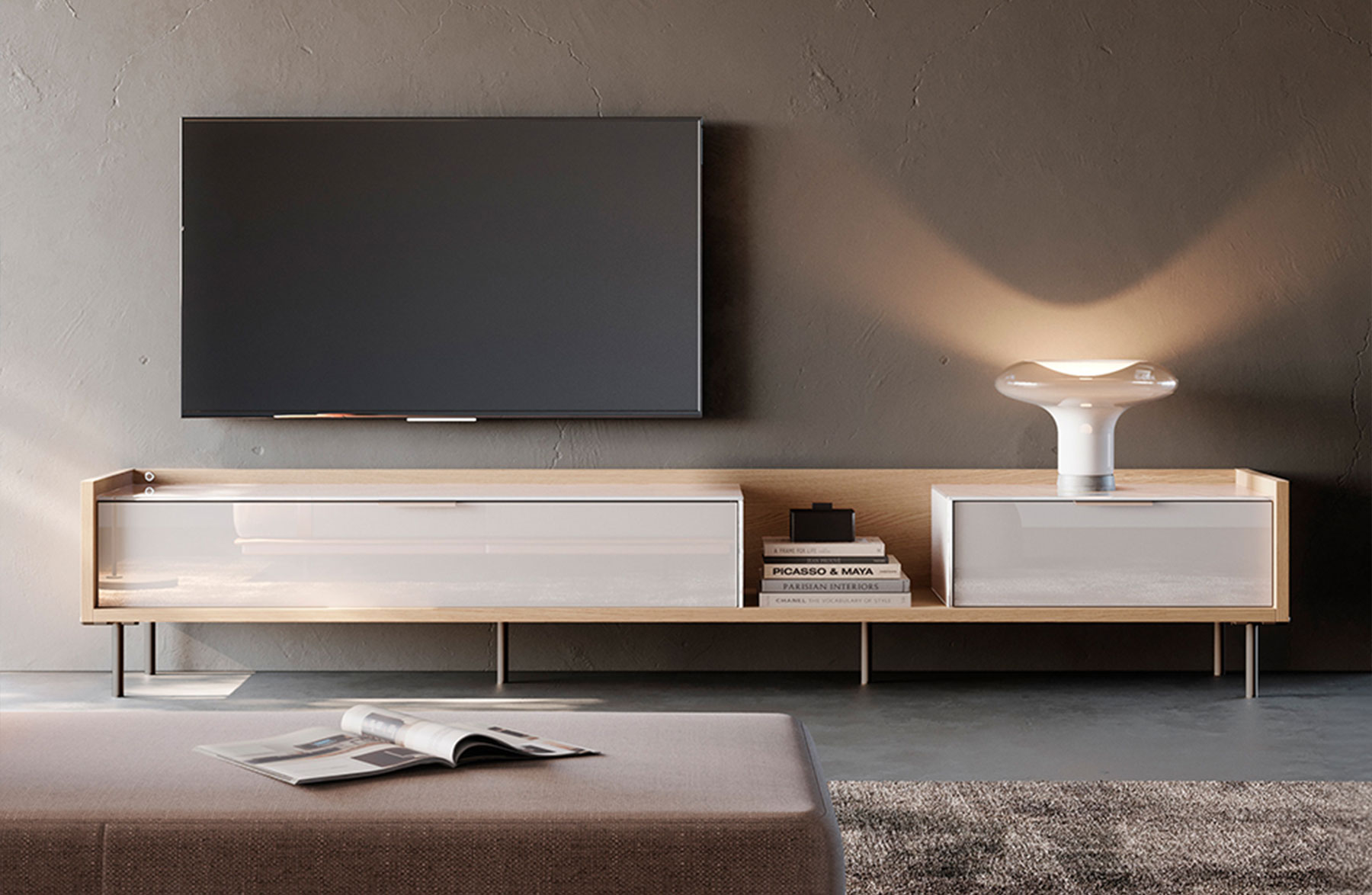
Another option is to hang the TV on the wall with an adjustable bracket: in this case you can decide in complete freedom how to orient the television, to always see it in the best way, and you will be free to apply it wherever you want even for large TVs.
When you decide to use a column or a wall mount, it is important to choose carefully: naturally the size and weight of the TV play a fundamental role, plus there is another element that must be taken into account: the VESA standard.
What is the VESA standard?
This is the number that expresses the distance (in mm) between the holes for fixing to the support that are present on the back of the TV.
For example, a VESA 400×200 indicates that the horizontal and vertical distance between the holes measures 400mm x 200mm.
Usually you can find it on the packaging of the TV (certainly on that of the support), or in the instructions for use, and in any case you can measure it directly.
In order to correctly fix your TV to the support of the bracket or column, it is necessary that the distance between the holes corresponds for both objects: the VESA standard provides you with the measurements to be able to ascertain this precisely.
So, “whichever way you turn it”, you will be able to enjoy your TV to the fullest!